
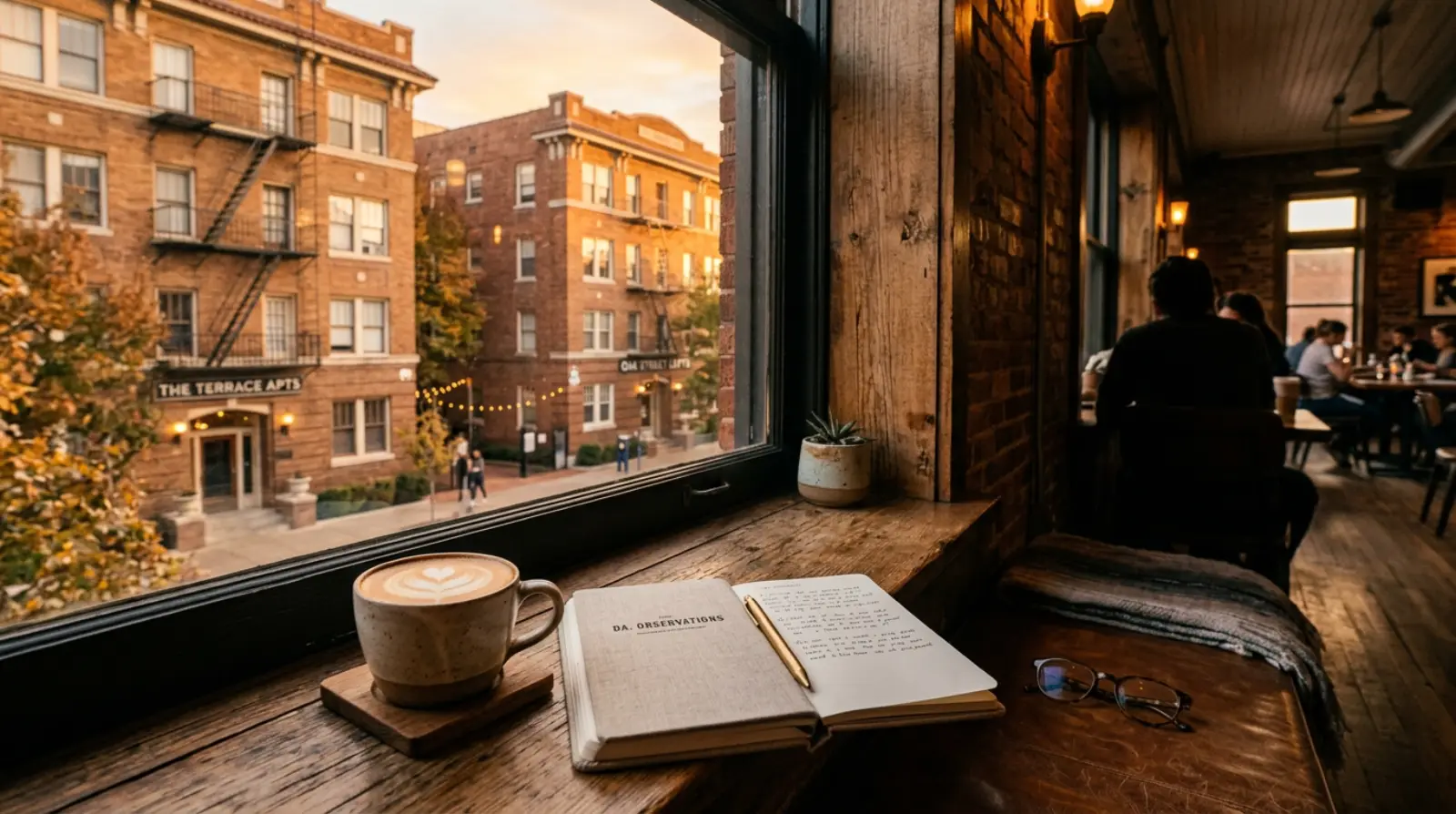
Dallas's most walkable neighborhoods, ranked by Walk Score, are Downtown (92), Uptown (86), Deep Ellum (84), Bishop Arts (82), Lower Greenville (80), Oak Lawn (78), and Knox-Henderson (78). Anything scoring 70 or higher inside the city is genuinely walkable for daily errands; the wider metro stays car-dependent.
Walk Score quick reference
- 90–100 — Walker's Paradise (daily errands don't need a car)
- 70–89 — Very Walkable (most errands on foot)
- 50–69 — Somewhat Walkable (some errands on foot)
- 0–49 — Car-Dependent
Ranked: most walkable Dallas neighborhoods
1. Downtown Dallas — Walk Score 92
The only "Walker's Paradise" in Dallas. Klyde Warren Park, the Arts District, AT&T Discovery District, the Main Street District — all on one connected street grid. Add the Dallas Streetcar to Bishop Arts and DART Light Rail to almost everywhere.
- Walk to: grocery (Royal Blue Grocery, Tom Thumb), 100+ restaurants, parks, bars, the Perot, the AAC
- Median 1BR: $1,850
2. Uptown — Walk Score 86
West Village is the walkable core. McKinney Avenue with the M-Line Trolley connects Uptown to Downtown. The Katy Trail starts here.
- Walk to: West Village shops, McKinney Ave restaurants, Katy Trail
- Median 1BR: $2,050
3. Deep Ellum — Walk Score 84
Bars, music venues, restaurants, and breweries packed into a small grid east of Downtown. Streetcar connection to the rest of the urban core.
- Walk to: 50+ live-music venues, breweries, restaurants
- Median 1BR: $1,750
4. Bishop Arts — Walk Score 82
The most walkable neighborhood that isn't high-rise. Independent restaurants, coffee, bookstores, boutiques on a 5-block grid.
- Walk to: Bishop Arts District (50+ businesses), Kessler Theater
- Median 1BR: $1,650
5. Lower Greenville — Walk Score 80
Greenville Avenue is the spine. Truck Yard, HG Sply Co, dozens of restaurants. Quieter than Uptown.
- Walk to: Greenville Ave restaurants, Trader Joe's
- Median 1BR: $1,650
6. Oak Lawn — Walk Score 78
Cedar Springs is a walkable corridor. Adjacent to Uptown, easier price point.
- Walk to: Cedar Springs district, Whole Foods on Oak Lawn
- Median 1BR: $1,700
7. Knox-Henderson — Walk Score 78
Knox Street is one of the densest restaurant clusters in the city. Henderson Avenue adds nightlife.
- Walk to: Knox St dining, Apple Knox, Whole Foods
- Median 1BR: $2,000
What "walkable" means in practice
A Walk Score of 80+ in Dallas means:
- You can grocery shop without a car (3–10 min walk)
- You have 20+ restaurants within 10 min walk
- You have a bar/coffee shop within 5 min walk
- You can get to a transit stop within 10 min
A car still helps for: weekend trips outside the urban core, big grocery runs, doctor visits in the Medical District or further north, and DFW airport runs.
Walking + transit combinations that work
- Downtown apartment + DART — Get to Mockingbird Station, Plano, the Medical District, and DFW Airport without a car.
- Deep Ellum + Streetcar — Walk Deep Ellum, take the streetcar to Downtown for work, walk to Bishop Arts on weekends.
- Uptown + M-Line + Katy Trail — Walk + free trolley + bike trail covers most of central Dallas.
FAQ
Is Dallas a walkable city overall? Honestly, no — Dallas as a metro is the 13th most car-dependent large US city. But the neighborhoods above are exceptions where you can genuinely live without daily driving.
Can I live in Dallas without a car? Yes, in Downtown, Uptown, Bishop Arts, or Deep Ellum. You'll Uber occasionally. Plan for $200–$400/month in rideshare on top of a DART monthly pass.
Which walkable neighborhood is cheapest? Bishop Arts and Lower Greenville at ~$1,650 median 1BR.
Is the Katy Trail walkable? The Katy Trail is a 3.5-mile linear park (rail-trail) for walking, running, and biking — not a "walkable neighborhood" itself, but a major amenity for Uptown, Knox-Henderson, and Oak Lawn residents. Maintained by the Friends of the Katy Trail.
Want a no-car Dallas apartment short-list? Send us your work address and budget — we'll narrow to 3–5 buildings where you can walk to daily needs.